
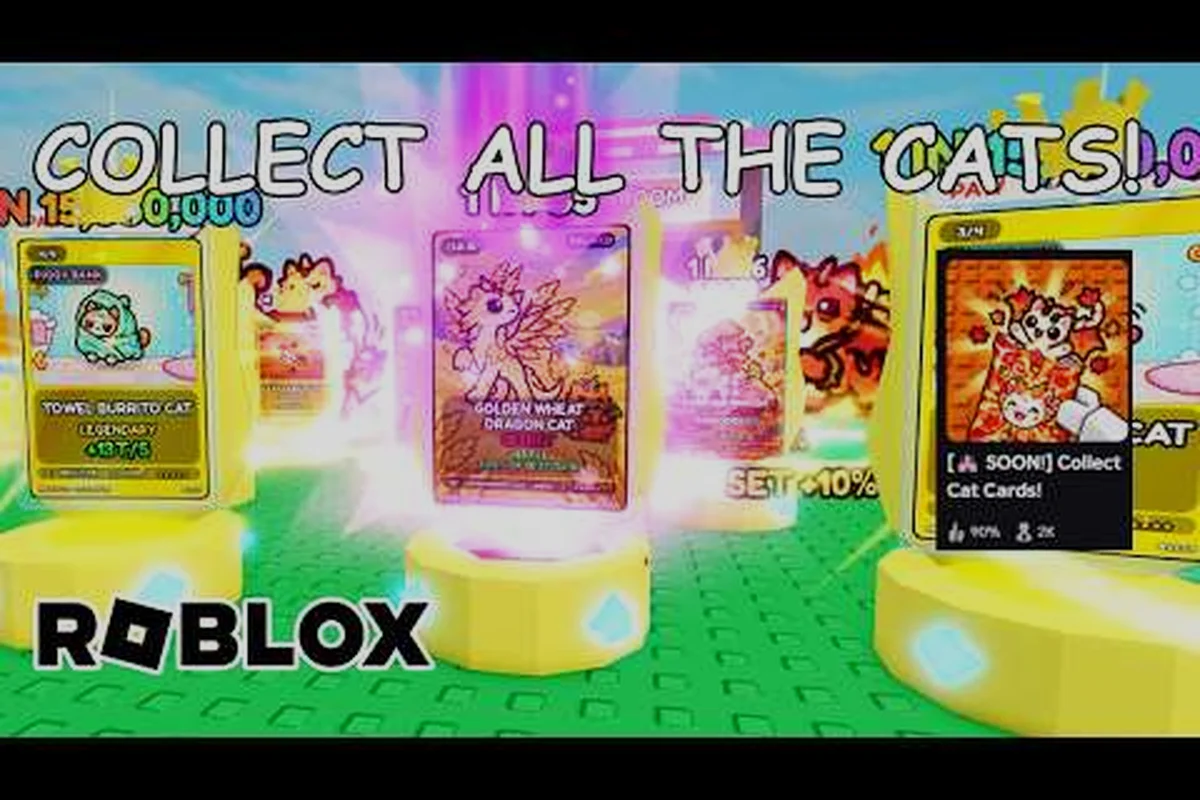
The Collect Cat Cards index rewards are the real finish line of the game, and every pack you rip feeds that meter. Filling the Index is how a casual pack-opener turns into a genuine collection completion run, so knowing what each milestone pays out keeps you from wasting Kibble on the wrong sets.
How the Collect Cat Cards Index Works
The Index is a permanent record of every cat you have pulled, and it sits at the center of the game's long-term progression. According to the official Collect Cat Cards page on Roblox, the loop runs from ripping packs in the cozy Farm set all the way up to the top-tier pack called The Almighties, and every unique cat you land gets logged in the Index. Duplicates still matter for cash and grading, but only new entries push your collection completion forward.
That distinction shapes everything about how you spend early currency. A player who chases raw income will happily re-rip the same cheap pack for duplicates, while a collector treats every pack as a chance to fill a gap. The Index rewards the second mindset, because milestone payouts scale with how much of the catalog you have actually seen rather than how much cash per second your stands generate.
| Index Progress | What It Represents | Typical Player Stage |
|---|---|---|
| First 10 entries | Early Farm and starter pulls | First session |
| 25 entries | Mid-tier sets unlocked | A few hours in |
| 50 entries | Gold and Rainbow variants appearing | Committed collector |
| 75 entries | Holo chase cards entering the log | Late-game grinder |
| Full catalog | Ultimate Collector territory | Endgame |
The Index does not care about card quality, only presence. A plain base cat fills its slot just as well as an Aurora variant, which is why experienced collectors keep a mental checklist of missing commons instead of obsessing over chase pulls. Community footage from long play sessions, such as AccelToWin's Index completion run, shows how steadily the log fills once a player starts prioritizing sets they have barely touched.
Collect Cat Cards Index Rewards by Milestone
Milestone rewards are the tangible payoff for collection completion, and they arrive at fixed checkpoints rather than trickling in per card. Each threshold hands over a bundle that usually includes Kibble, cash injections, or access to stronger pack tiers, which then accelerates the next stretch of collecting. The exact contents shift with updates, so treat the table below as a structural map rather than a locked contract.
| Milestone | Reward Type | Why It Matters |
|---|---|---|
| Early entries | Starter Kibble and cash | Funds your first serious pack rips |
| Quarter catalog | Pack discounts or bonus rips | Widens the sets you can afford |
| Half catalog | Larger cash payout | Pays for mid-tier pack spam |
| Three-quarter catalog | Rare pack access | Opens Holo and Rainbow hunting |
| Full catalog | Ultimate Collector recognition | Endgame badge and prestige |
The smart play is to time your big ripping sessions around these checkpoints. If you are two cats away from a quarter-catalog payout, spending your last Kibble on a pack that cannot produce those two cats is a wasted opportunity. Instead, check which sets still have empty slots and buy the cheapest pack that can actually drop them. This is the same prioritization logic that carries into grading cards at PAW for a perfect score, where knowing your collection gaps tells you which cards are worth submitting.
Why Milestone Timing Beats Raw Spending
A collector who understands milestone timing spends less and progresses faster than one who simply buys the most expensive pack available. Because rewards arrive in bursts, you want to be close to a threshold before you commit a large Kibble reserve. Holding currency for a few extra rips of a targeted set often beats dumping everything into The Almighties and praying for a new entry.
Reading Your Own Gap List
Every serious collector keeps a rough gap list in their head or on paper. Scan the Index for sets where you own fewer than half the cats, then buy the cheapest pack that covers that set. This simple habit is the single biggest difference between players who finish the catalog and players who stall at 60 percent.
Collect Cat Cards Collection Completion Checklist
Collection completion is a grind, but it is a structured one. The checklist below breaks the run into phases so you always know what to do next instead of opening packs at random. Each phase assumes you are working with a normal amount of playtime and reinvesting income from your stands.
- Log every new cat you pull and note which sets still have gaps
- Place your highest income-per-second cats on stands before each ripping session
- Reinvest stand cash into the cheapest pack that covers a gap set
- Save a Kibble buffer before pushing toward a milestone threshold
- Send strong duplicates to PAW for grading instead of selling them
- Track Gold, Rainbow, and Holo variants separately from base entries
- Re-check the Index after every major update for new cats
The first three steps carry most of the early progress, because stand income compounds the longer you leave good cats placed. Weather mutations matter here too: a Shocked, Cosmic, or Aurora variant of a cat you already own does not add an Index entry, but it does boost the cash that funds your next pack. That is why collectors treat mutation events as income windows rather than collection events.
| Phase | Main Goal | Common Mistake |
|---|---|---|
| Early | Fill cheap sets | Over-ripping one pack for duplicates |
| Mid | Reach half catalog | Ignoring stand income while ripping |
| Late | Hunt Holo entries | Selling strong duplicates instead of grading |
| Endgame | Close final gaps | Chasing chase cards before commons |
Handling Duplicates Without Wasting Them
Duplicates are not dead weight. A duplicate of a strong cat can go to PAW for a grade out of ten, and high-grade copies are valuable for tower battles and trading value. The mistake is selling every duplicate for quick cash when a graded copy would have paid more over time.
Keeping the Checklist Honest
Update your gap list after every session, not every week. Memory drifts, and a stale list sends you buying packs for sets you already finished. A two-minute review at the end of each play session keeps the whole run pointed at real gaps.
How to Become the Ultimate Collector
Becoming the Ultimate Collector means finishing the catalog, and that final stretch is where most players either lock in or burn out. The endgame is less about luck and more about discipline: you stop buying random packs, you stop chasing every shiny pull, and you start treating the Index like a to-do list with a fixed number of remaining boxes.
The core strategy is gap-first purchasing. Identify the two or three sets with the fewest missing cats, then buy only the packs that can drop those specific entries. If a set is missing a single common cat, spamming the cheapest pack that contains it is mathematically better than buying a premium pack that might drop a rare you already own. Community reports consistently show that the last ten percent of a collection takes longer than the first fifty percent, purely because each remaining slot has a low individual drop chance.
| Endgame Tactic | Effect on Completion | When to Use |
|---|---|---|
| Gap-first pack buying | Highest new-entry rate | Always |
| Kibble banking before milestones | Smooths reward timing | Near thresholds |
| Grading duplicates for value | Funds premium rips | Mid to late game |
| Tower battle income | Extra cash stream | Once towers open |
| Event cat tracking | Prevents missed limited entries | During updates |
Tower battles deserve a mention because they open a second income stream that feeds pack purchases. The climb rewards scale with how strong your placed cats are, so a collection with high-grade cards clears more floors and earns more. That loop is covered in more depth in the tower battles climbing guide, and it is worth reading once your Index passes the halfway mark.
The Last Ten Cats Problem
The final handful of entries is where patience matters most. At this stage, every pack you open has a low chance of producing a new cat, so the correct move is to reduce variance by buying the cheapest pack that still contains a missing entry. Do not buy premium packs hoping for a lucky finish.
Pausing Rips to Grade Your Best Duplicates
If your Index is nearly full but your cash flow has stalled, pause the ripping and grade your best duplicates. A graded card can carry tower runs and generate the steady income you need to fund the final push. Collection completion and income generation are two halves of the same endgame.
Collect Cat Cards Endgame Content After the Index
Filling the Index unlocks the endgame layer, and this is where the game shifts from collecting to competing. Once your catalog is complete, the remaining content is about optimizing what you own rather than acquiring more. Graded cards, tower floors, and variant hunting all become the focus, and the completionist guide for late-game content maps out how those systems interlock.
| Endgame Activity | Purpose | Reward Focus |
|---|---|---|
| PAW grading | Improve card quality | Grades out of ten |
| Tower battles | Test and earn | Climb rewards |
| Variant hunting | Boost income | Mutated cats |
| Event cat tracking | Keep catalog current | Limited entries |
| Stand optimization | Maximize passive cash | Income per second |
The key insight for this phase is that a full Index is not a dead end. New cats arrive with updates, and limited event entries can reopen your collection completion percentage. Players who keep their gap list current and their stand income healthy are the ones who absorb new content without falling behind. The summer update event checklist is a good example of how limited cats slot into the Index and what to prioritize when they drop.
Variant Hunting as Endgame Income
Once base entries are done, variants become the main source of income growth. A Cosmic or Aurora copy of a high-income cat can dramatically raise your cash per second, which in turn funds faster grading and more tower attempts. Treat variant hunting as an income project rather than a collection project.
Keeping Pace With New Releases
Every update that adds cats resets a small slice of your completion percentage. That is not a setback; it is fresh reward milestones to chase. Re-check the Index after each patch and slot any new entries into your gap list immediately.
Frequently Asked Questions
How many cats do I need for full collection completion?
The catalog size grows with updates, so the exact number shifts over time. What stays constant is that every unique cat counts as one Index entry, and variants of cats you already own do not add new slots. Track your own gap list rather than a fixed total, and re-check after each patch.
Do duplicates count toward Collect Cat Cards index rewards?
No. Duplicates do not add Index entries, but they are far from useless. Send strong duplicates to PAW for grading, use them in tower battles, or sell them for cash. The Index only advances when you pull a cat you have never owned before, so duplicates are an income tool, not a collection tool.
How long does it take to become the Ultimate Collector?
It depends heavily on playtime and how disciplined your pack buying is. Players who prioritize gap sets and reinvest stand income reach the final stretch far faster than players who spam premium packs. Community reports suggest the last ten percent of the catalog takes disproportionately long because each remaining slot has a low drop chance.
What should I do after finishing the Index?
Shift focus to grading, tower climbing, and variant hunting. A complete catalog means your income and card quality become the limiting factors, so grade your best duplicates, push tower floors, and hunt mutated variants. New update cats will also reopen small gaps, giving you fresh milestones to chase.
Are index rewards worth prioritizing over raw cash?
Yes, for long-term players. Milestone payouts accelerate your pack economy and unlock better pack tiers, which compounds over time. Pure cash farming plateaus once your stands are optimized, while collection completion keeps opening new reward thresholds that fund the endgame.